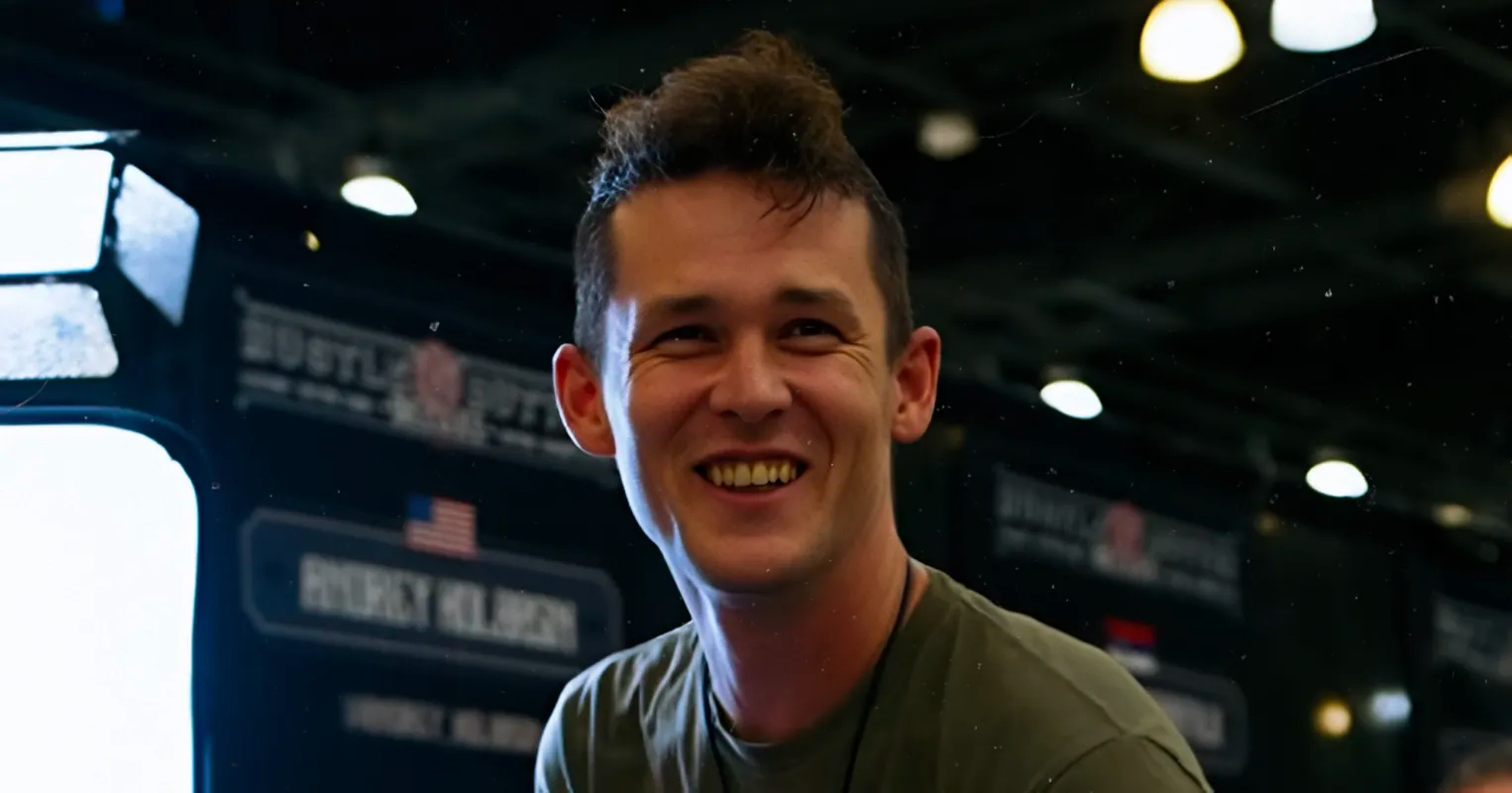
Rinat Tattarin / Tattoo Styles

Realism Tattoos in Los Angeles

Color Realism Black & Grey Large-Scale Projects Full-Day Sessions
Rinat Tattarin Mingazdinov, Los Angeles tattoo artist
Meet the Artist

Rinat Tattarin Mingazdinov

Tattoo Artist
01 / Portfolio

Realism Tattoo Portfolio

Here’s a selection of my realistic tattoos in both color and black and grey.

I enjoy working with different subjects because each one presents a different challenge. Fur, skin, stone, metal, fabric, and atmospheric backgrounds all need their own treatment of light and texture.

Some of the tattoos in this gallery also appear in my Black and Grey Tattoos, Nature & Animal Tattoos, or Realistic Portrait Tattoos collections.

That’s intentional. Realism describes how an image is created, while those other galleries focus on color, technique, or subject matter. I don’t see a reason to keep a good tattoo inside just one category.

Take a closer look at the details, the composition, and how each piece works on the body.

02 / Understanding Realism

What Makes a Realistic Tattoo Work?

For me, realism starts with understanding what you’re looking at, not simply copying a photograph.

You need to see how light describes the shape of an object, how shadows create depth, and which details actually matter.

A realistic tattoo can contain a tremendous amount of information, but that doesn’t mean every detail deserves equal attention.

Contrast is especially important. If everything has the same intensity, the image becomes difficult to read. I like giving the main subject a clear focal point, then using softer transitions and background details to support it.

Anatomy matters too, whether it’s the structure of a face, the movement of an animal, or the way a realistic image fits around an arm or across a back.

I’ve always believed that a solid foundation in drawing makes a difference. Realism is about understanding form, proportion, light, and composition before translating them into a tattoo.

Light & Shadow

How highlights, shadows, and tonal transitions give a subject shape and depth.

Anatomy & Proportion

Understanding the structure of a face, an animal, or another realistic subject.

Texture & Detail

Different materials require different approaches to shading and surface detail.

Strong Composition

Giving the main subject a clear focal point and allowing the background to support it.

03 / Color and Tonal Work

Color Realism & Black and Grey

I work in both color realism and black and grey realism. Neither approach is automatically better. They offer different possibilities, and the right choice depends on the subject, the reference, and the result you’re looking for.

Color Realism

Color gives me another way to build an image. I can work with the natural tones of an animal, dramatic movie lighting, reflections, and details where color is essential to recognizing the subject.

It can be especially interesting in cinematic compositions, fantasy imagery, and realistic subjects with distinctive colors.

Black and Grey Realism

Black and grey puts the emphasis on value, contrast, and the relationship between light and shadow. I often lean toward this approach because a well-planned tonal composition can remain visually clear over time.

Of course, how any tattoo ages depends on its placement, sun exposure, aftercare, and other factors.

Some subjects work beautifully in both approaches, so there’s no need to decide before we’ve discussed the idea.

If you prefer monochrome tattoos, explore my Black and Grey Tattoo Gallery. For realistic human faces, you can also visit my Portrait Tattoos page.

04 / Large Projects

Realism Sleeves & Large-Scale Projects

A large realistic tattoo needs more than a collection of detailed images. It needs a composition that makes sense across the entire area.

When I plan a sleeve, I think about where the main subjects should sit, how they relate to each other, and what happens when the arm moves.

The most important details need enough space, while backgrounds and transitions help connect everything. I usually prefer a few strong focal points rather than trying to fill every available inch with separate objects.

The same idea applies to back pieces. Sometimes one large subject creates a stronger impression than several smaller images competing for attention.

Placement can also change the way realism looks. Faces, animals, and other recognizable subjects generally work better where the skin doesn’t distort too much with movement. More flexible areas can be useful for backgrounds, textures, and secondary details.

I focus on projects that allow me to develop the composition as a whole, working through full-day sessions.

You can explore more examples in my Tattoo Sleeves portfolio.

05 / My Approach

My Approach to Realism Tattooing

I’ve been tattooing since April 2002, and I still approach realism with the same interest in drawing, anatomy, and composition that first drew me to this kind of work.

I don’t believe realism is automatically the most difficult tattoo style. Every style has its own challenges. But realism does demand an understanding of form, light, perspective, and the way a subject is constructed.

A good reference is important, but copying every visible detail isn’t the goal. I need to understand which parts of an image make it recognizable and how to translate them into a tattoo that works on skin.

I also don’t believe realism has to exist on its own. Sometimes a realistic subject works better when combined with graphic elements, Japanese-inspired imagery, or another artistic approach.

Styles give us useful tools, but they shouldn’t stop us from developing an interesting idea.

What matters to me is making the final composition feel intentional.

If you’d like to hear more about my approach, read my interview about realistic tattoos, references, composition, and choosing an artist.


06 / Working Together

Planning Your Realism Tattoo

01 / YOUR IDEA

Start With Your Idea

Tell me what you’d like to see in your tattoo, where you’re thinking of placing it, and the approximate area you’d like to cover. You can send photographs, artwork, movie stills, or other references.

02 / REFERENCES

Choosing the Right References

Clear images with good lighting and visible details give me more to work with. If you’re choosing between several references, send them all. We can decide which ones are most suitable for the composition.

03 / DESIGN

Planning the Design

I’ll consider the subject, placement, scale, color direction, and the way the design should work on your body. I usually prepare the design 1–2 weeks before the scheduled tattoo session, although timing can vary.

04 / APPOINTMENT

Scheduling the Tattoo

I focus on larger projects booked in full-day sessions. Depending on the size and complexity, a realistic sleeve or back piece may require several appointments. Consultations are free, online or in person at my studio in Los Angeles. I usually respond within 1–3 business days. A deposit is required to secure the appointment.

07 / Common Questions

REALISM TATTOO FAQ

What's the Difference Between Realism and Portrait Tattoos?

Realism describes an approach to tattooing that aims to reproduce convincing forms, textures, light, and depth. Portrait tattooing focuses specifically on faces and likenesses. A realistic portrait is therefore one type of realism tattoo.

Can a Realism Tattoo Be Done in Color or Black and Grey?

Yes. I work in both color realism and black and grey realism. The best approach depends on your subject, references, and the overall composition.

Can You Create a Realistic Full Sleeve?

Absolutely. I work on large-scale projects, including realistic full sleeves. I plan the arrangement of the main subjects, their scale, and the background so the whole composition works around the arm.

Can You Combine Realism With Other Tattoo Styles?

Yes. I don't see tattoo styles as strict boundaries. Realistic subjects can work with Japanese-inspired imagery, graphic shapes, and other approaches when the overall composition makes sense.

Do You Need High-Quality Reference Images?

Good references are helpful, especially when the subject contains recognizable details. Send me the images you have, and we can discuss which ones are suitable for the project.

Can Realism Be Used for a Tattoo Cover-Up?

Sometimes. It depends on the existing tattoo's darkness, size, placement, and the design you want to create. I assess large-scale cover-up projects individually and may suggest preliminary laser lightening when it would improve the available options.

How Many Sessions Does a Large Realism Tattoo Take?

The number of full-day sessions depends on the size, complexity, amount of detail, and placement. We can discuss an estimated schedule during the free consultation.

08 / Start Your Project

Have a Realism Tattoo in Mind?

Whether you're considering a realistic animal, a cinematic scene, a full sleeve, or a larger composition that combines different subjects, I'd love to hear your idea.

You don't need to know exactly which style or technique will work best before reaching out.

Send me your references, the placement you're considering, and what you'd like to create.

I work by appointment at Monna Lissa Tattoo Studio in Westwood, Los Angeles.

Consultations are free, and I usually respond within 1–3 business days.