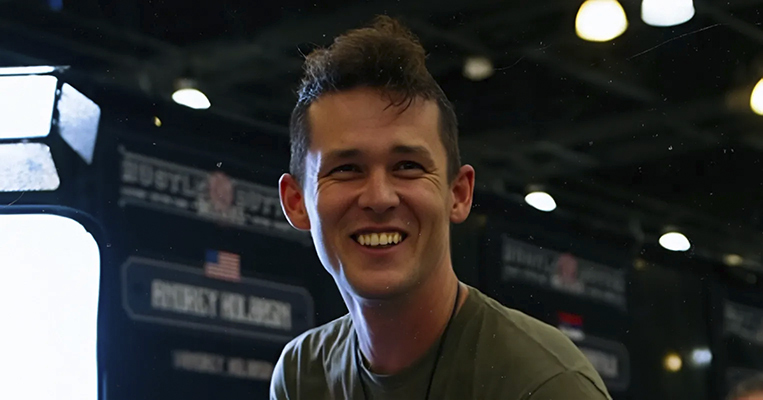
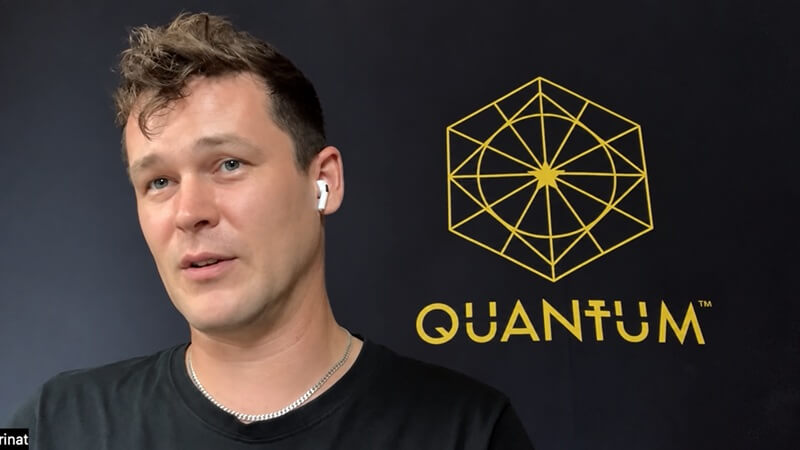
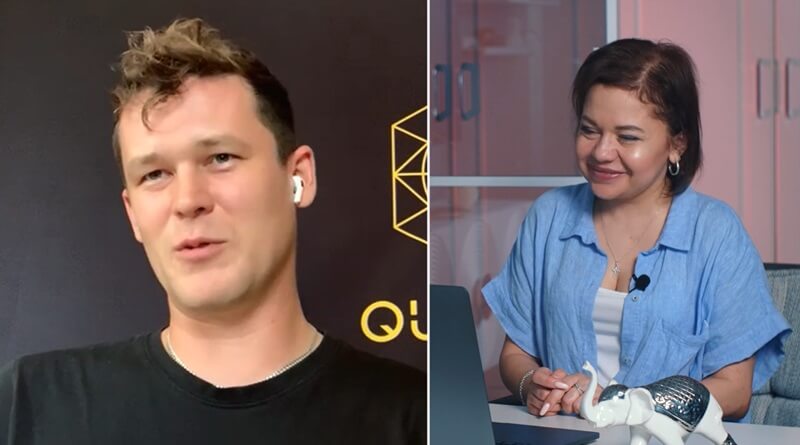
A while back, I gave a video interview. We talked about how I got into the world of tattoos, found my own style, and started collaborating with other artists. I decided to translate this conversation and adapt it for the blog so that English speakers could enjoy it too. Here are the highlights: my early experiments, tattoo conventions, and my tips on what to look for when choosing a tattoo artist.
It Started with From Dusk Till Dawn
In the late ’90s, I watched From Dusk Till Dawn. The whole movie made an impression: the atmosphere, Salma Hayek, and, of course, the tattoo on George Clooney’s character. That black tribal piece on his shoulder really caught my attention. My first thought was, “I want something like that.” Then I started wondering how it was actually done.
In the early 2000s, I got my first homemade tattoo machine. Professional equipment was expensive and hard for me to get at the time. I started experimenting, and the early results were, let’s say, a long way from what I’d call a good tattoo today. One of my first pieces, on a classmate’s back, went through several cover-ups over the years.
Back then, though, we were excited that we’d managed to make anything happen at all. I hung out in the punk scene, there were people around me who wanted to try things too, and I kept getting more interested.
Pretty soon, I realized enthusiasm would only get me so far. I started looking for people who could show me what to do and explain how things worked. In my hometown of Tomsk, I met an artist named Sasha, who went by Gorshok. I’d stop by, watch him work, and ask about lines and shading. He became my first teacher.
My First Convention: Winning Awards and Realizing How Much I Had to Learn
In 2008, I went to my first tattoo convention in Novosibirsk. I brought someone I’d tattooed and entered my work to see how it would do. We ended up taking first place in ornamental and third in miniature tattoos.
What stayed with me most, though, was realizing how much I still had to learn.
There were other artists working all around me. I could see their equipment, how they worked with ink, and how they organized their process. I could talk to them, ask questions, and see the level I wanted to reach. Until then, a lot of it had felt like a hobby. That convention made me take the profession much more seriously.
Later, I started booking booths and tattooing at conventions myself. I got especially interested in Best of Day: finishing a tattoo in a single day and entering it alongside the other artists’ work.
That format makes you focus. You learn to plan better, manage your time, and work with more confidence. Having strong artists around you gives you another reason to push yourself. Healthy competition has always helped me grow.
Why I Chose Realism and Larger Pieces
Over the years, I tried different styles and gradually found what felt right. I like creating depth, working with larger forms, and making images that read clearly from a distance. That’s why I’ve put so much of my focus into realism.
Everything about a large tattoo interests me: the composition, the balance of light and shadow, and how the image sits on the body. The details need to come together as one piece that holds your attention both up close and from across the room.
How a Client’s Idea Becomes a Tattoo
Most people come to me with an idea. They may not have a finished design at all, and that’s completely fine.
Someone might say, “I want a dragon.” That’s where the conversation starts. An Asian dragon or a European one? Wings, or a long, winding body? Color or black and gray? Will there be other elements around it? Where on the body will it go?
The design takes shape through those answers. At the same time, I’m thinking about how it will work with the body’s shape and curves. Sometimes I’ll suggest changing the size, placement, or individual elements to make the composition stronger.
There are also decisions I’ll encourage someone to think through again, like getting a face tattoo as their first piece. I want people to understand the choice they’re making and make it for themselves.
How to Choose an Artist for Your First Tattoo
I’d start with portfolios. Look at different work, compare approaches, and figure out what you’re drawn to. A friend’s recommendation can help you find an artist, but you should still look at what that artist actually does.
Choose an artist whose work fits the tattoo you want. Realism, bold traditional tattoos, and fine line work all call for different approaches. You should see the things you like in that artist’s portfolio.
The next step is a conversation. Do you understand each other? Can you talk through the idea, size, and placement? Do you like the direction they’re suggesting?
Sometimes people travel to another city or country to work with a particular artist. I had a client come from Singapore for a large back piece. That’s a serious commitment, but I understand wanting a specific artist to do your tattoo.
If you’re still unsure, take some time to think it over. It’s easier to feel comfortable moving forward when you’re on the same page and happy with the plan.
Collaborating with Artists Who Know How You Work
A lot of collaborations start with something as simple as, “Let’s try doing a piece together.” Then it turns into an interesting project.
One of the most rewarding experiences for me has been working with Tanya. When she first came to me, she already had a strong art background. What she needed to learn was how to work with a tattoo machine. We went on to work side by side for years and got to know each other’s approach really well.
You feel that when you’re working on the same tattoo. You know what the other person can do and how to pick up where they left off. Eventually, a lot of things don’t need a long explanation, and the finished piece feels cohesive.
I’ve also worked on a back piece with four other artists. That experience showed me how much coordination matters. There’s only so much room for everyone to work, and it’s a demanding session for the client.
Learning How to Teach
I got into teaching gradually. After I opened my studio, people started coming by because they wanted to learn. At first, they watched. Then they drew, tried things, and asked questions. I’d offer advice and watch them improve.
Along the way, I was learning how to explain things. As an artist, certain actions become second nature. A beginner needs to understand what’s happening and why. If someone has to guess what you meant after you’ve explained it, you probably need to find a clearer way to say it.
It took a long time before I felt confident enough to lead workshops. Years of practice and working with people went into that. Good teaching takes experience in the craft and the ability to pass that experience on clearly.
Experimenting Beyond Tattooing
I got into body painting in a pretty unexpected way. One day, I decided I was going to airbrush my own car. I bought an airbrush and a compressor, then realized I’d seriously underestimated how much time and preparation the project would take.
Rather than let the equipment sit there, I asked some friends if they wanted to try body painting. It turned into a fun experiment: a new tool, a different surface, and another way to create an image.
I enjoyed it. There’s something satisfying about picking up a new tool and seeing what you can do with it.
Tattoos, Personal Meaning, and Other People’s Opinions
Attitudes toward tattoos have changed a lot during my career. From what I’ve seen, people have become more comfortable considering larger pieces and choosing what they like. Of course, questions about how a tattoo will look years later and what other people might think haven’t disappeared.
I don’t think you need to convince everyone. People have different ideas about beauty, and that’s fine. Some express themselves through clothes, some change their hair color, and some collect tattoos. We don’t have to look alike to respect each other.
The same goes for meaning. For one person, a tattoo marks an important event or a personal change. For someone else, it’s an image they simply enjoy. I see tattooing primarily as art that decorates the body. What it means is up to the person wearing it.
Some people collect art on their walls. Others collect it on their skin. I like being part of building that personal collection.