Most people think blackwork exists only to fix mistakes. Covering old tattoos, hiding regrettable tribal from the early 2000s, salvaging failed work. This is an outdated view.
Blackwork is a bold, deliberate aesthetic choice. Solid black panels, geometric patterns, negative space play, ornamental mandalas, illustrative silhouettes. People choose blackwork not because something went wrong. They choose it because they want a graphic, high contrast, powerful statement on their skin.
Yes, blackwork works exceptionally well for cover ups. But reducing the entire style to a repair function is unfair. That is like saying realism exists only for portraits of deceased relatives.
What blackwork really is
Blackwork is an umbrella term covering multiple approaches. One thing unites them: dominance of black pigment. Minimal grey tones or their complete absence. Maximum contrast between black and skin.
Main directions within blackwork:
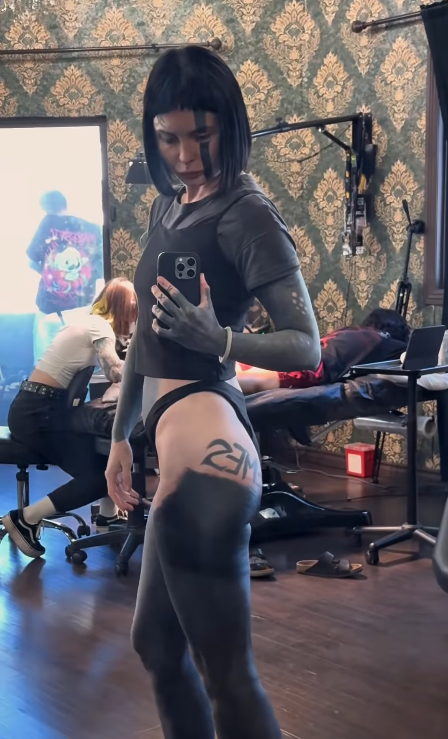
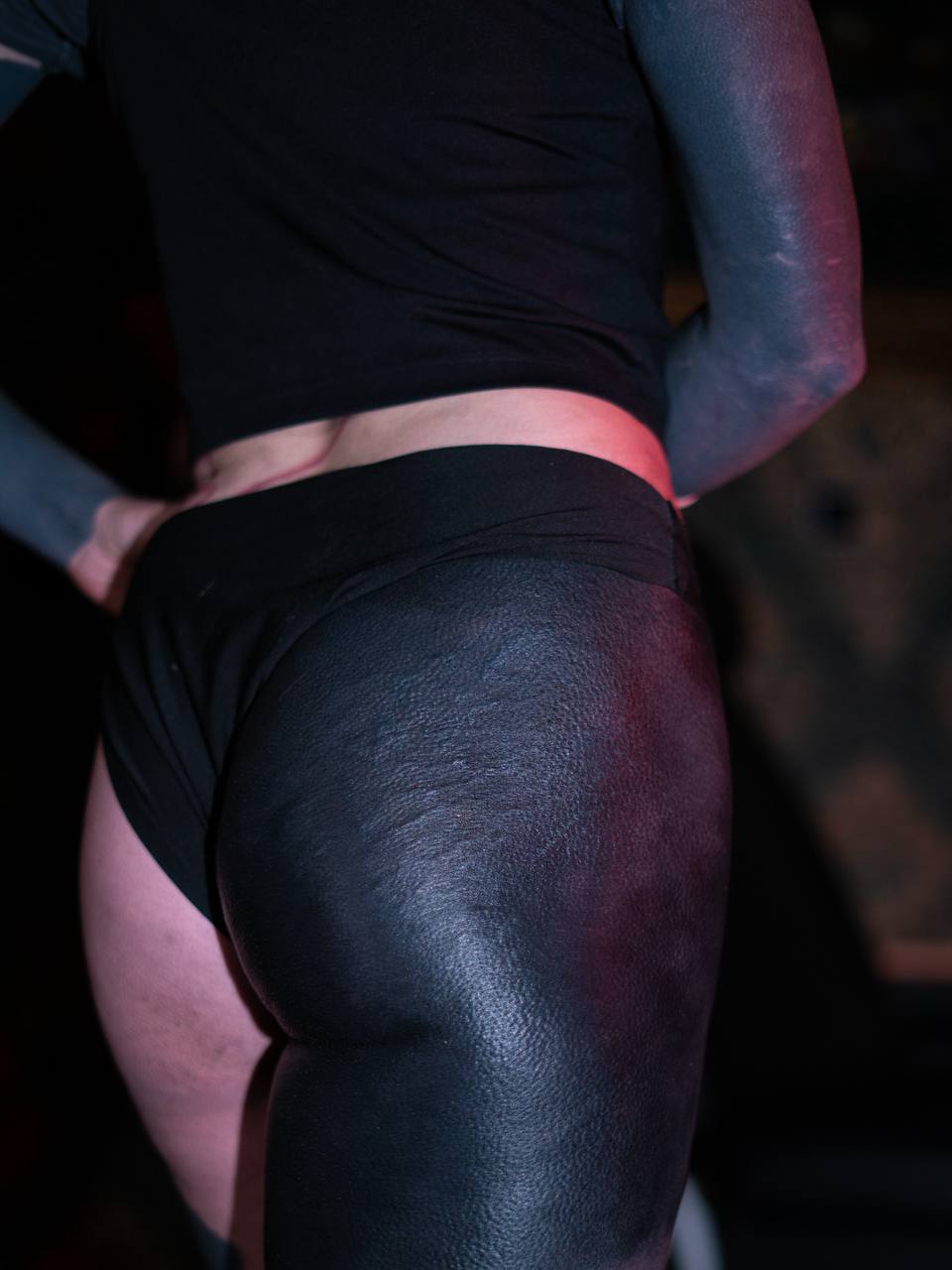
Solid black panels (blackout tattoo) cover large body areas with dense black. A sleeve completely black. A leg from knee to ankle completely black. The back as a single black canvas with carved ornaments or without them. This is the most minimalist and most technically complex variant.
Geometric blackwork (geometric tattoo) uses lines, shapes, patterns, sacred geometry. Triangles, hexagons, mandalas, dotwork (dotwork tattoo, dot technique), linear compositions. Visually resembles architectural blueprints or mathematical diagrams. Sacred geometry often carries spiritual meaning: flower of life, seed of life, Metatron's cube, golden ratio.
Ornamental blackwork (ornamental tattoo) relies on traditional patterns: Polynesian (Polynesian tattoo), Maori, mehndi, Celtic knots, Islamic geometry. Complex, dense, symmetrical compositions.
Illustrative blackwork depicts specific objects or scenes, but only in silhouettes or high contrast graphics. Animals, plants, portraits, landscapes executed entirely in black without gradients.
Blackout with negative space (negative space tattoo) creates an image not by adding black but by its absence. The entire zone is filled black except for a pattern or drawing that remains skin color. The technique is the reverse of classic tattooing.
Linework (linework tattoo) works with thin black lines, creating elegant, minimalist compositions. Often combined with blackwork: thin lines and ornaments against solid black panels or next to them. Linework looks especially beautiful combined with sacred geometry, creating multilayered compositions where thick black blocks are balanced by elegant geometric lines.
All these approaches can be combined. A solid black panel on the shoulder with a geometric ornament carved in negative space. An illustrative scene on the thigh executed in dense black with a dotwork background. A blackout sleeve with thin sacred geometry lines extending onto the chest. The possibilities are wide.
Why people deliberately choose blackwork
People come to blackwork for different reasons, and most of them have nothing to do with fixing mistakes.
Graphic purity. In a world overloaded with color and detail, blackwork offers visual silence. Black and skin. Nothing more. This is powerful.
Boldness. A solid black panel covering the entire arm or leg is a statement. It is irreversible. It attracts attention. People choosing such work are usually confident in their decisions and not afraid to stand out.
Longevity. Black pigment is the most stable. It does not fade as quickly as colors. A black tattoo ten years later still looks black (with quality application). Color work loses saturation over the same period.
Minimalism (minimalist tattoo). Many clients are tired of overloaded compositions. They want something simple but strong. Blackwork delivers this. Minimalist blackwork is especially popular among professionals from Beverly Hills and Santa Monica who value restrained aesthetics.
Cultural connection. For people of Polynesian, Maori, Samoan descent, ornamental blackwork is a way to return to roots. Traditional patterns (tribal tattoo patterns, traditional Polynesian tattoo) carry meaning, history, identity.
Philosophical symbolism. Black is associated with mystery, strength, transformation, infinity. For some clients, blackwork expresses an inner transition, closing an old chapter, beginning a new one. Sacred geometry adds a spiritual layer, connecting the wearer to ancient knowledge and universal patterns.
Technical complexity: why blackwork is deceptively difficult
At first glance, a solid black block seems simple. Fill the area with black, wait for healing, done. In practice, this is one of the most difficult types of work.
The evenness problem. Human skin is not uniform. Different areas accept pigment differently. The shoulder absorbs differently than the forearm (forearm tattoo placement). The inner side of the arm differently than the outer. Skin over bones differently than over muscles.
An inexperienced artist fills the area with black. The client looks in the mirror after the session, everything looks even. A month later, when the skin has healed and swelling has subsided, unevenness appears. Light spots, streaks, areas where black came out unevenly. The tattoo looks blotchy.
To avoid this, the artist must understand needle penetration depth, paint density, number of passes over one zone. Too few passes give unevenness. Too many passes damage the skin, cause scarring, pigment gets pushed out.
Only after healing is the truth visible. A fresh tattoo always looks perfect. The skin is swollen, pigment is bright, everything is even. Two weeks later the swelling goes down, the skin recovers, and the real quality of work becomes visible.
Therefore, when choosing an artist for blackwork, you should not look at fresh photos from the studio. You need to look for photos of healed blackwork (healed tattoo). Ask the artist for photos of work after a month, after three months, after a year. If they cannot show them or refuse, that is a red flag.
Paint experience is critical. An artist can be excellent at portraits or Japanese style, but that does not mean they will handle blackwork. A portrait is tonal transitions, detail, soft gradients. Blackwork is dense, even filling. Different skills.
Quality blackwork requires years of experience specifically in dense painting. The artist must have done dozens, hundreds of black panels, built up their hand, learned to feel the skin, understand how different skin types react to pigment.
I have been doing blackwork for over ten years. Every time, even on an experienced client, I carefully track density, depth, number of passes. Because if you make a mistake, the client will see it in a month, and correcting will be difficult.
Placement: where blackwork works best
Blackwork is universal in placement (tattoo placement guide), but some zones give better visual effect.
Sleeves (sleeve tattoo). Full blackout sleeve looks dramatic. A variant with negative space (ornament or illustration carved out of black) gives even more contrast. Half sleeve also works but can look unfinished. Forearm tattoo in blackwork style is popular among clients who want visible work.
Legs. A completely black leg from knee down is popular. The thigh (thigh tattoo) offers a large flat surface for geometric or ornamental compositions. The shin (calf tattoo) is convenient for vertical geometric patterns.
Back (back tattoo). Huge canvas. You can make a completely black back with a carved central image. Or a large geometric mandala occupying the entire upper back (upper back tattoo). Shoulder blade tattoo is excellent for symmetrical ornamental work.
Chest (chest tattoo). Visually powerful zone. Blackwork on the chest attracts the eye. The result is impressive, especially when black panels are combined with thin lines extending onto the shoulders.
Torso (ribs, sides, rib tattoo, side tattoo). Popular for ornamental and geometric work, especially among people wishing to hide tattoos under clothing in work environments. Rib cage tattoo is often chosen for sacred geometry and mandalas.
Shoulder (shoulder tattoo). Perfect place to start a blackwork project that can expand onto the chest, back, or down the arm.
Blackwork and style combinations
One advantage of blackwork is that it combines beautifully with other styles.
Blackwork and linework. Thin black lines create elegant contrast with massive black panels. For example, a completely black sleeve with thin geometric lines extending onto the chest and back. Or a solid black panel on the thigh with elegant linework ornament around the edges.
Blackwork and sacred geometry (sacred geometry tattoo). This is a natural combination. Flower of life, seed of life, Metatron's cube, golden ratio, all these symbols work magnificently in blackwork execution. You can make a solid black background with carved sacred geometry (negative space) or vice versa, geometric patterns executed in dense black on skin.
Blackwork and dotwork. Dot technique adds texture and depth. A solid black panel with a dotwork gradient around the edges creates a smooth transition. Or a completely dotwork mandala against black geometric shapes.
Blackwork and ornamental work (ornamental tattoo). Polynesian patterns, Maori, mehndi, all integrate beautifully with modern blackwork. Traditional tribal patterns can be strengthened with modern black blocks, creating a bridge between tradition and modernity.
These combinations allow creating multilayered, visually rich compositions while maintaining the graphic purity and contrast characteristic of blackwork.
Consultation and planning
Every large blackwork project starts with a consultation. This is a meeting where we discuss your vision, choose placement, estimate time and cost.
I conduct consultations in person at Inkology Tattoo (303 S Crescent Heights Blvd, West Hollywood). Consultations are free if you plan to proceed with the project. Clients come from Beverly Hills, Santa Monica, downtown Los Angeles, and other areas.
What we discuss:
- Type of blackwork. Solid black (blackout), geometric, ornamental, illustrative, negative space, or combination. Do you want to add linework or sacred geometry.
- References. Show examples of what you like. If you do not have clear references, I can suggest ideas based on your description.
- Placement and size (tattoo placement). We discuss anatomy, how the design will flow with your body, whether there is enough space. We consider options: full sleeve, half sleeve, forearm, chest, back, thigh, leg, and others.
- Number of sessions. Small blackwork pieces can be finished in one session. Large ones require several full day sessions with healing breaks.
- Cost. Transparent, no surprises.
I usually provide a sketch or digital mockup one to two days before the first session. For geometric and ornamental work, the sketch is detailed. For solid black panels, the sketch is simple because the main work is in execution precision, not design.
Los Angeles pricing: a pleasant surprise
Blackwork is priced by time. General market rates in Los Angeles range from $200 to $400 per hour, full day sessions typically cost $1,600 to $3,200.
But here is good news: blackwork goes faster for me than for many artists. My hand is light, technique honed over years of practice. What takes another artist two full days, I can finish in one or one and a half.
This means the final cost of your project will pleasantly surprise you. You get high quality blackwork from an experienced artist in less time and, accordingly, for less money than you expected.
Specific numbers are discussed at consultation because each project is unique. But the general rule: my work speed makes blackwork more accessible without sacrificing quality.
How to choose an artist for blackwork
Choosing an artist for blackwork is critical. Here is what to look for.
Portfolio of healed blackwork (healed tattoo photos). Not fresh photos from the studio. Look for photos a month, three months, a year after the session. Black should remain even, without spots and streaks.
Experience with dense painting. Ask how many years the artist has been doing blackwork. If less than three years, be cautious. Quality blackwork requires years of practice.
Client reviews (tattoo artist reviews). Read reviews, especially those mentioning healing. Did clients complain about unevenness after healing? Were touch ups required?
Honesty. A good artist will tell you the truth. If your idea is technically complex or your skin may not accept dense black well, they will warn you in advance.
Studio cleanliness. Blackwork often requires long sessions. You will spend many hours in this studio. Make sure it is clean, licensed, with new needles and sterile setup.
Specialization. Look for an artist who regularly does blackwork, not one who does everything a little. Specialization matters for quality.
Inkology Tattoo in West Hollywood meets all these criteria. We are located at 303 S Crescent Heights Blvd, with easy access from Beverly Hills, Santa Monica, and downtown Los Angeles.
Blackwork and cover ups (cover up tattoo)
Yes, blackwork works excellently for covering old tattoos. But that is not its only function.
What covers well:
- Faded color tattoos. Easy coverage with dense black.
- Old tribal, Celtic patterns (old tribal tattoo). Can be integrated into new geometric or ornamental design.
- Failed portraits or realism. Blackout with negative space can turn failed work into a bold statement.
- Small scattered tattoos. A blackwork sleeve or panel can unite several old small pieces into a single composition.
What is more difficult:
- Very dense old black work. May show through even a new layer of black. Sometimes requires laser lightening (laser tattoo removal).
- Large old tattoos in inconvenient places. Limit design options.
If you are considering a cover up (tattoo cover up ideas), bring photos of the existing tattoo to the consultation. I will assess whether blackwork can work or if laser lightening is needed first.
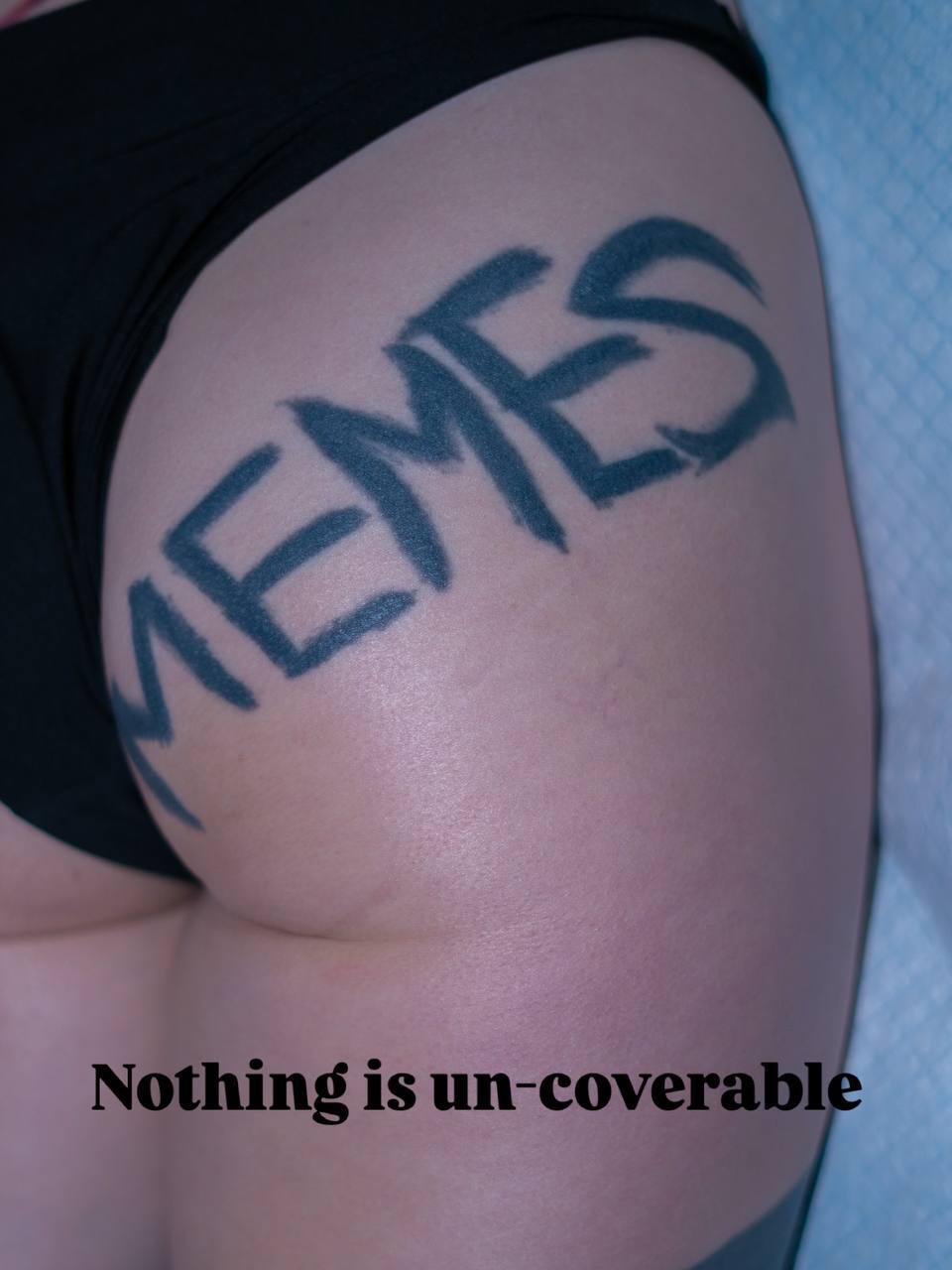
But I repeat: do not come to blackwork only as a problem solution. Consider it a bold aesthetic choice. If you like graphics, contrast, minimalism, the power of black pigment, blackwork is for you regardless of whether you have old tattoos.
Bottom line
Blackwork is a bold, graphic, technically complex style. It requires the right artist with years of experience in dense painting, because only after healing does the true quality of work become visible.
For clients in Los Angeles who want a minimalist, powerful, lasting statement on their skin, blackwork offers unique possibilities. Combinations with linework and sacred geometry add depth and symbolism, creating multilayered compositions.
If you are ready for a bold decision, if you like the contrast of black and skin, if you value graphic purity, come in for a consultation. We will discuss your vision, assess possibilities, plan the project. And you will be pleasantly surprised by the work speed and final cost.
Visit Inkology Tattoo Art Gallery at 303 S Crescent Heights Blvd in West Hollywood. Call or message us at +1 323 351 9888 to book your consultation.